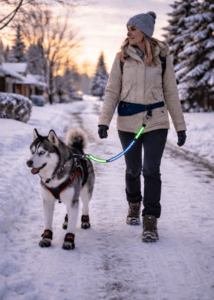
Winter walks don’t have to be risky, but ice and snow change the rules in ways many dog owners underestimate. Slippery surfaces, hidden hazards, and cold-related paw injuries can turn a routine walk into a painful experience for both you and your dog.
This guide focuses on practical safety, backed by research and real-world experience: what to avoid, how to adjust your walking habits, and when simple protective gear can reduce risk rather than add hassle.
The Hidden Danger: Black Ice and Dogs
Black ice is one of the most dangerous winter hazards precisely because it’s hard to see.
What black ice actually is
Black ice forms when moisture from rain or fog freezes rapidly as temperatures drop below freezing. It’s transparent, revealing the dark pavement underneath—making it nearly invisible to the naked eye. Because it lacks air bubbles, it often looks like normal, wet pavement.
Why black ice is dangerous for dogs
Dogs often don’t recognize slippery surfaces until they’re already on them
A thin layer of black ice under fresh snow is especially deceptive
Supercooled ice can cause cracking, bleeding, or frostbite on sensitive paw pads
Older dogs and dogs with arthritis are especially vulnerable to slips and joint injuries
What NOT to do on black ice
Don’t assume “wet-looking” pavement is safe
Don’t let your dog lead or pull ahead
Don’t rush—speed increases the risk of sudden slips
Safer alternatives
Walk on grass or snow-covered ground instead of pavement when possible
Take short, deliberate steps to maintain balance
Test questionable areas with a walking stick or cane if you suspect ice
Wear footwear with good traction yourself because your stability matters too
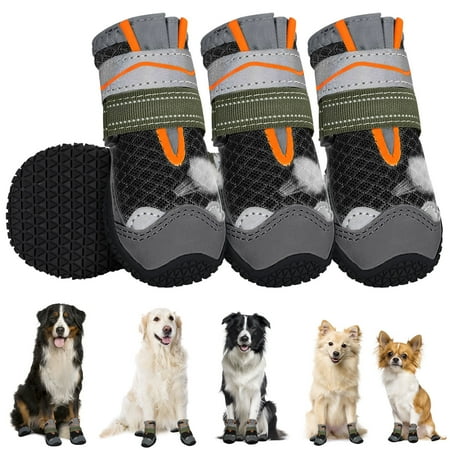
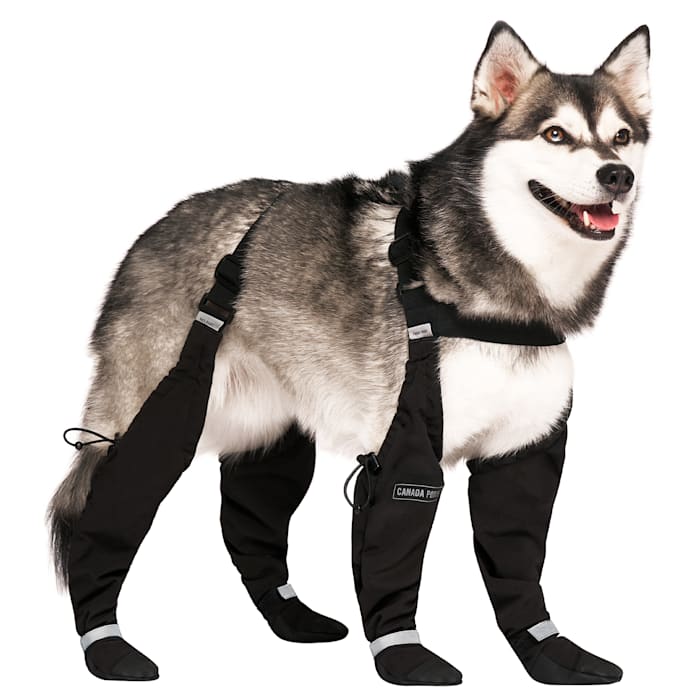
For dogs that tolerate them, traction booties can add meaningful grip on icy pavement and reduce the risk of sudden slips on black ice.
Because your own footing matters just as much, many winter walkers use slip-on traction cleats for their boots to stay stable while managing a leash on ice.
Leash Control on Slippery Terrain: Why It Matters More in Winter
Any leash might work in summer, but winter conditions demand better control.
What to avoid
Retractable leashes, which offer poor control and can malfunction in cold, wet weather
Long leashes that allow sudden darting or pulling
Slick handles that are hard to grip with gloves
What helps
A shorter leash for closer control
Waterproof materials that repel snow and slush
Hands-free designs worn at the waist if your dog is well-trained and manageable in size
A steady pace is critical. Dogs naturally want to follow scents and zigzag, but on ice, this increases fall risk. If your dog starts pulling:
Stop walking immediately
Resume only when the leash slackens
Reward calm, steady walking with treats
Positive reinforcement is far more effective, and safer, than corrections on slippery ground.
In icy conditions, a shorter waterproof leash, such as a Biothane hands-free leash worn at the waist, can improve control while helping prevent sudden balance-throwing pulls.
Snowballing Between Toes: Why It Happens (and How to Stop It)
Why snow clumps form
Dogs have a higher body temperature than humans. When snow gets trapped between their toes—especially in dogs with long fur—it melts from body heat, then refreezes into hard ice balls.
Why it’s a problem
Forces toes apart
Alters your dog’s gait
Causes pain, limping, and sudden loss of balance
How to prevent snowballing
Keep fur between paw pads trimmed short
Apply paw wax or balm before walks to reduce sticking
Use non-slip booties if your dog tolerates them
Check paws during and after walks
After walks, wipe paws with a warm, damp towel to remove ice buildup and any non pet-safe de-icing chemicals.
Applying a thin layer of paw wax before walks can help prevent snow from sticking between toes and reduce painful ice buildup during longer winter outings.
For dogs with longer fur or repeated snowballing issues, non-slip winter booties provide a reliable way to keep paws dry and maintain steady footing.
What to Do If Your Dog Slips on Ice
Dogs often hide pain instinctively, so it’s important to act calmly and deliberately.
Step-by-step response
Stop immediately, don’t try to “walk it off”
Stay calm; dogs can sense panic
Watch for limping or favoring a limb
Gently check legs, paws, and joints
Look for signs of serious injury:
Whining, flinching, panting
Muscle spasms or stiffness
Swelling in paws or pads
If swelling is present, apply a cold compress. If symptoms persist or worsen, a veterinary visit is warranted because anti-inflammatory treatment may be needed.
Recovery matters
Limit activity for several days after a fall, except for essentials. Simple obedience cues like sit or stay can help you gauge mobility during recovery.
When Protective Gear Makes Sense (and Why)
This isn’t about accessories, it’s about risk reduction.
Traction booties
Helpful when:
Black ice is common on your route
Your dog moves quickly or pulls
Pavement and stairs can’t be avoided


Paw wax or balm
Useful for:
Preventing snow and ice buildup
Protecting against salt and cracking
Dogs that won’t tolerate booties
After walks on icy or treated surfaces, wiping paws with a warm towel and applying a protective paw balm can help prevent cracking and irritation from cold and de-icing chemicals.


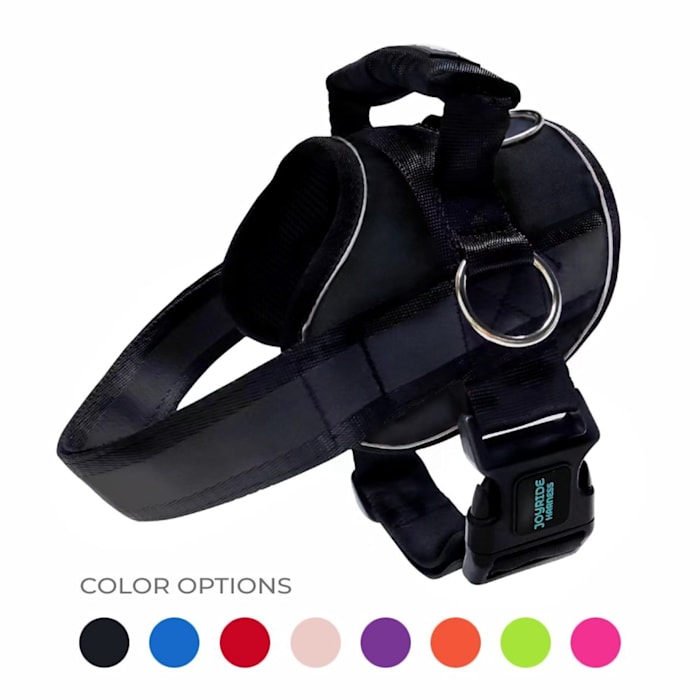
Reflective leashes, collars, or harnesses
Important for:
Early morning or evening walks
Snowfall or low visibility
Roadside or urban walking routes
Visibility protects both you and your dog, especially from drivers who may already be dealing with poor road conditions.
On darker winter walks, reflective leashes or light-up collars can make both you and your dog more visible to drivers navigating snowy or icy roads.


Final Thoughts: Safe Winter Walks Are About Awareness
You don’t need perfect conditions or complicated gear to walk safely in winter. What matters most is slowing down, staying aware, and adjusting when conditions change.
Avoid hidden ice, protect paws, maintain leash control, and know when to stop. With a few smart precautions, winter walks can remain calm, controlled, and safe for both ends of the leash.